

Roofing FAQ Hub – Northern Virginia Homeowners Guide
Looking for clear answers to common roofing questions in Northern Virginia? This Roofing FAQ Hub covers roof lifespan, repair vs replacement, permits, project timelines, seasonal timing, insurance topics, leaks, ventilation, warranties, and more—written for homeowners in Fairfax, Loudoun, Prince William, Arlington, Alexandria, and nearby communities.
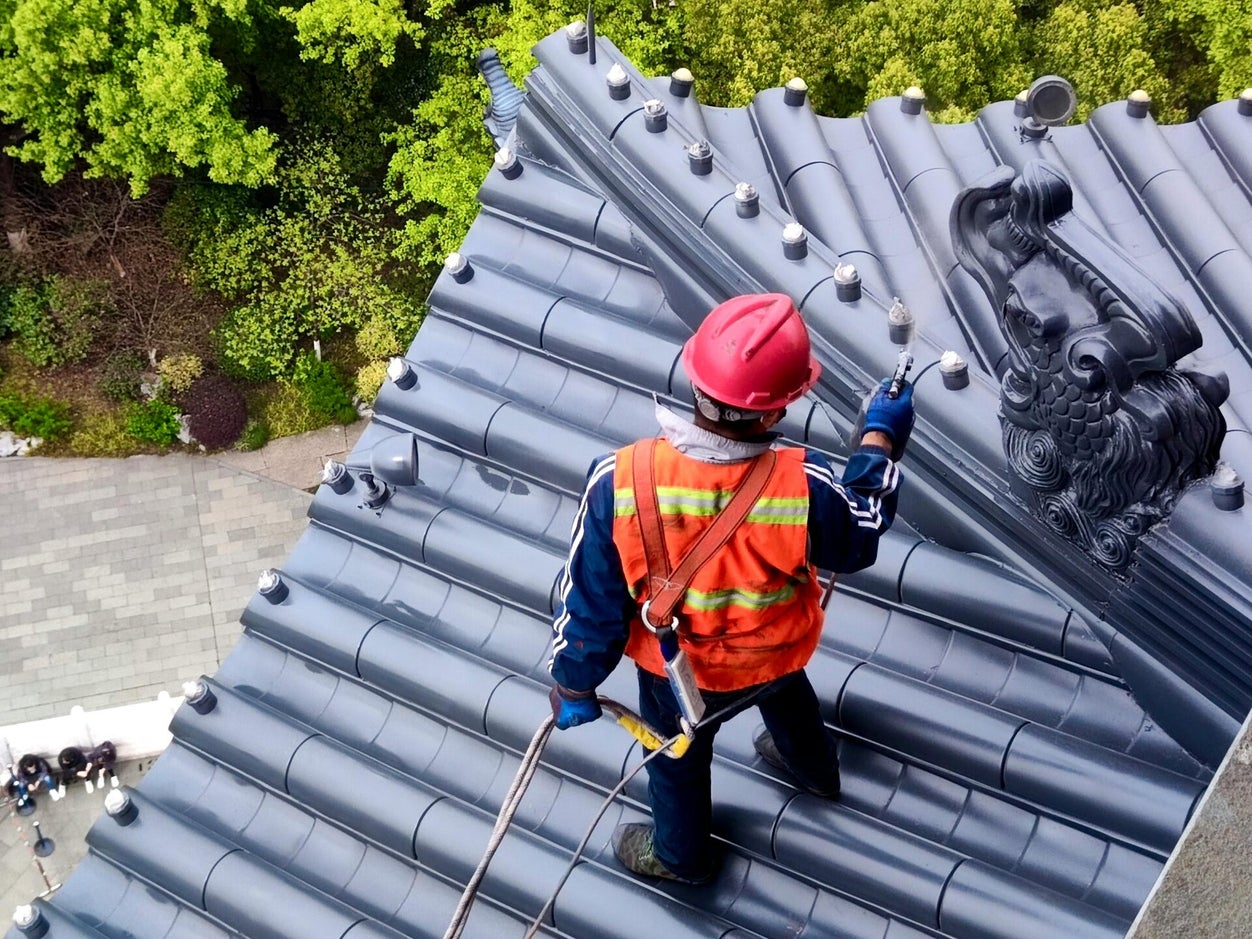
Welcome to the Northern VA Roofing FAQ Hub
Roofing problems can be stressful: leaks, missing shingles, wind damage, hail, flashing failures, and aging materials can all create uncertainty. Homeowners often wonder what’s urgent, what’s normal wear and tear, what a contractor will recommend, and how to avoid expensive surprises. This page is designed to help you make smarter decisions by explaining common roofing topics in plain language.
Important: This FAQ is provided for general educational purposes only and does not replace a professional roof inspection, manufacturer instructions, or local building code requirements. Roofing conditions vary by home, roof design, material type, attic ventilation, and prior workmanship. For a definitive assessment, request a quote/inspection from a licensed roofing contractor.
Quick Start: When to Get a Roof Inspection
- Water stains on ceilings or walls (especially after storms)
- Missing, lifted, curled, or cracked shingles
- Granules collecting in gutters/downspouts
- Soft spots, sagging, or visible dips in the roofline
- Flashing damage around chimneys, vents, skylights, or valleys
- Ice dams, chronic condensation, or attic moisture
- Mild cosmetic discoloration or algae (common in humid areas)
- Small amounts of granule loss on older shingles
- Minor sealant aging around exposed hardware (varies by roof type)
- Occasional wind-blown debris on roof (after safe cleanup)
If you suspect active leaking or storm damage, avoid climbing the roof. A qualified roofer can assess the situation safely and recommend appropriate next steps.
Roofing FAQs (Tap a Question to Expand)
These are common roofing questions from Northern Virginia homeowners. Answers are intentionally conservative and informational to avoid overstepping. Your home may require a different approach based on material, slope, layout, code, and existing damage.
How long does a roof last in Northern Virginia?
Roof lifespan depends on material type, installation quality, ventilation, sun exposure, storm activity, and maintenance. In Northern Virginia, roofs often face hot summers, freeze/thaw cycles, wind events, heavy rain, and occasional hail—each of which can shorten life compared to milder climates.
Typical ranges (general guidance):
- Asphalt shingles: often ~15–30 years (varies widely by shingle quality and ventilation)
- Architectural shingles: commonly ~20–35 years
- Metal roofing: often ~40–70+ years
- Slate/tile: can last 50+ years with proper underlayment and maintenance
If your roof is approaching 15–20 years and you’re noticing frequent repairs, granule loss, or recurring leaks, an inspection can help determine whether targeted repairs are reasonable or whether replacement planning is smarter.
Can I repair my roof instead of replacing it?
Sometimes, yes. Repairs may be appropriate when damage is localized (for example, a small area of missing shingles, a limited flashing issue, or a minor leak source) and the rest of the roof system is still in good condition.
Replacement may be considered when the roof has widespread wear, repeated leak issues, multiple layers of roofing, significant underlayment failure, extensive storm damage, or when repairs become frequent and costly. A reputable contractor should explain the reasoning and show photos of problem areas.
Note: “Repair vs replace” is not one-size-fits-all. A proper diagnosis often requires evaluating shingles, flashing, roof decking condition, ventilation, and attic moisture patterns.
Do I need permits for roof replacement in Northern Virginia?
Often, yes—many jurisdictions require permits for roof replacement, especially if structural elements are involved, if decking is replaced, or if code upgrades apply. Permit requirements can vary by city/county (e.g., Fairfax, Loudoun, Prince William, Arlington, Alexandria), roof type, and project scope.
Many licensed roofing contractors handle permits as part of the process, but you should confirm in writing: whether permits are required, who pulls the permit, and whether inspections are scheduled.
This answer is general information and not legal advice. Always verify local permitting requirements with your jurisdiction or a properly licensed contractor.
How long does a roof replacement take?
A typical residential roof replacement can sometimes be completed in as little as 1–2 days, but timelines vary based on roof size, complexity, weather, material delivery, tear-off layers, decking repairs, and ventilation work.
Factors that commonly extend timelines:
- Steep slopes, complex valleys, dormers, skylights, chimneys
- Hidden decking damage discovered after tear-off
- Weather delays (rain, high winds, freezing conditions)
- Specialty materials (metal, slate, tile) requiring more labor
- Permit/inspection scheduling constraints
Ask your roofer for a written project schedule and how they protect your home if weather changes mid-project.
What’s the best time of year to replace a roof in Northern Virginia?
Many homeowners prefer spring through fall because temperatures are moderate and weather windows are more stable. That said, roof replacements can be performed in many conditions as long as crews follow manufacturer requirements, use proper safety measures, and plan around rain/wind/temperature limits.
Consider scheduling around:
- Storm season: heavy rains and wind can create delays or urgent repairs
- Heat waves: can affect crew efficiency and material handling
- Cold snaps: may impact certain installation methods/material requirements
The “best time” is often when you can secure a reputable contractor, avoid active leaking, and plan proactively rather than waiting for a failure.
How do I know if I have storm damage (wind or hail)?
Storm damage isn’t always obvious from the ground. Wind may lift or crease shingles, loosen flashing, or expose nail lines. Hail can bruise shingles, knock off granules, and reduce water-shedding performance over time.
Common signs that justify a professional evaluation:
- Shingles that look uneven, lifted, or missing after high winds
- New water stains on ceilings/walls following a storm
- Granules collecting heavily in gutters after hail
- Dents on metal vents, gutters, or flashing (may correlate with hail impacts)
Avoid climbing on your roof—especially after storms. A qualified roofer can inspect safely and document findings.
Will homeowners insurance cover roof repairs or replacement?
Coverage depends on your policy, deductible, the cause of loss, and whether damage is from a covered peril (such as wind or hail) versus wear and tear or deferred maintenance. Some policies have special roof provisions or depreciation schedules.
Practical steps that often help:
- Document storm dates and visible issues (photos from the ground are fine)
- Request a professional inspection for objective documentation
- Ask your insurer about claim timelines and required documentation
- Read your policy details for roof coverage specifics
This is general information, not insurance or legal advice. Consult your insurer and policy documents for accurate coverage determinations.
What causes roof leaks (and why are they hard to find)?
Roof leaks can originate far from where water appears inside. Water may travel along decking, framing, or insulation before showing up on a ceiling. That’s why “the stain location” isn’t always “the leak source.”
Common leak sources include:
- Flashing failures near chimneys, vents, skylights, valleys, and walls
- Damaged or missing shingles and exposed underlayment
- Improperly sealed penetrations (pipe boots, exhaust vents)
- Clogged gutters causing water backup at eaves
- Ice dams in winter (less common, but possible)
- Condensation or ventilation issues mistaken for “roof leaks”
A professional inspection typically focuses on roof penetrations, flashing transitions, attic moisture patterns, and water pathways—rather than guessing from the interior stain alone.
What’s the difference between a roof inspection and an estimate?
A roof inspection is an evaluation of roof condition—shingles, flashing, ventilation indicators, and visible problem areas. An estimate often includes pricing and scope recommendations based on what the inspection finds.
A good inspection/estimate experience typically includes:
- Clear explanation of findings (preferably with photos)
- Options (repair vs replace) and why each option is recommended
- What is included/excluded (tear-off, underlayment, flashing, ventilation)
- Timeline expectations and site protection (landscaping, debris cleanup)
You are always allowed to request clarification and compare more than one written estimate.
Do I need better attic ventilation when I replace my roof?
Ventilation can significantly affect roof performance, shingle aging, moisture control, and attic comfort. Inadequate ventilation may contribute to excess heat buildup in summer and moisture problems in cooler months.
Whether ventilation upgrades are needed depends on your attic design, insulation, existing intake/exhaust vents, and local code requirements. Many roof replacements are a good time to evaluate ventilation because components are already being accessed.
Ventilation recommendations should be tailored—avoid anyone offering a “one-size-fits-all” solution without considering your home’s configuration.
How can I compare roofing contractors fairly?
The lowest price isn’t always the best value. A fair comparison usually looks at licensing, insurance, documented scope, workmanship warranty, materials, and clarity of communication.
Questions to ask (homeowner-friendly):
- Are you licensed and insured for roofing work in my area?
- Will you pull permits if required and schedule inspections if applicable?
- What underlayment and flashing components are included?
- How do you handle decking repairs if found after tear-off?
- What is the workmanship warranty and what does it cover?
- How will you protect landscaping and clean up nails/debris?
A reputable roofer should provide a clear written scope and answer questions without rushing you.
Will a new roof improve home value or help sell my house?
A roof in good condition can improve buyer confidence, reduce inspection concerns, and help prevent negotiation issues during a sale. The degree to which it affects resale value varies based on local market conditions, roof type, and the home’s overall condition.
If you’re planning to sell, consider documenting:
- Installation date and contractor paperwork
- Warranty details (manufacturer + workmanship)
- Permit documentation (if applicable)
This is general real-estate information. Consult a local real-estate professional for market-specific guidance.
How often should I have my roof inspected?
Many homeowners choose an inspection:
- After major storms (wind/hail events)
- When buying or selling a home
- Every 1–2 years for older roofs
- Any time you see a leak, missing shingles, or interior stains
Routine inspections can help catch small issues before they become larger and more expensive.
Northern Virginia Roofing Topics Homeowners Search For
If you’re searching phrases like “roof repair near me,” “roof replacement Northern VA,” “emergency roof leak,” or “storm damage roof inspection Fairfax / Loudoun / Prince William,” you’re not alone. Northern Virginia homes experience rapid weather swings, seasonal storms, and heavy tree coverage—conditions that can accelerate roofing wear.
This Roofing FAQ Hub is designed to help you understand your options before you contact a contractor. If you want a faster path to answers tailored to your home, you can request a quote and get matched with a local roofing professional.
Important Disclosures (Read This)
This page provides general educational information about roofing and is not professional engineering advice, legal advice, insurance advice, or a substitute for a licensed contractor’s on-site inspection. Roofing requirements may vary by local jurisdiction, manufacturer specifications, and the specific condition of your roof. Always confirm permits, code requirements, and warranty terms with the appropriate authorities and qualified professionals.
Any references to roof lifespan, timelines, or outcomes are general estimates and not guarantees. Actual results depend on material selection, workmanship, site conditions, weather, and other variables.