
Roofing Materials Guide for Northern Virginia Homeowners
Choosing the right roofing material is one of the most important decisions a homeowner can make. In Northern Virginia, roofs must withstand intense summer heat, heavy rain, winter freeze-thaw cycles, wind events, and occasional hail. This Roofing Materials Guide explains the most common roofing options used across Fairfax County, Loudoun County, Prince William County, Arlington, Alexandria, and surrounding areas.
Understanding Roofing Materials in Virginia
Roofing materials are not one-size-fits-all. What works well for a single-family home in Fairfax may not be ideal for a townhome in Alexandria or a rural property in Loudoun County. Factors such as roof pitch, HOA requirements, building codes, architectural style, ventilation, and budget all influence which roofing material is appropriate.
This page provides **educational, non-sales information** about common roofing materials used in Virginia. It does not recommend a specific product for your home, nor does it replace a professional inspection. Instead, it gives you the knowledge to ask better questions and make informed decisions.
Common Roofing Materials Used in Northern Virginia
Asphalt Shingle Roofing
Asphalt shingles are the most widely used roofing material in Northern Virginia due to their affordability, availability, and compatibility with many residential roof designs. They are commonly found on single-family homes, duplexes, and some townhomes.
Architectural (Dimensional) Shingles
Architectural shingles are a premium form of asphalt roofing that offer enhanced durability, improved wind resistance, and a layered appearance designed to mimic slate or wood shake.
Metal Roofing
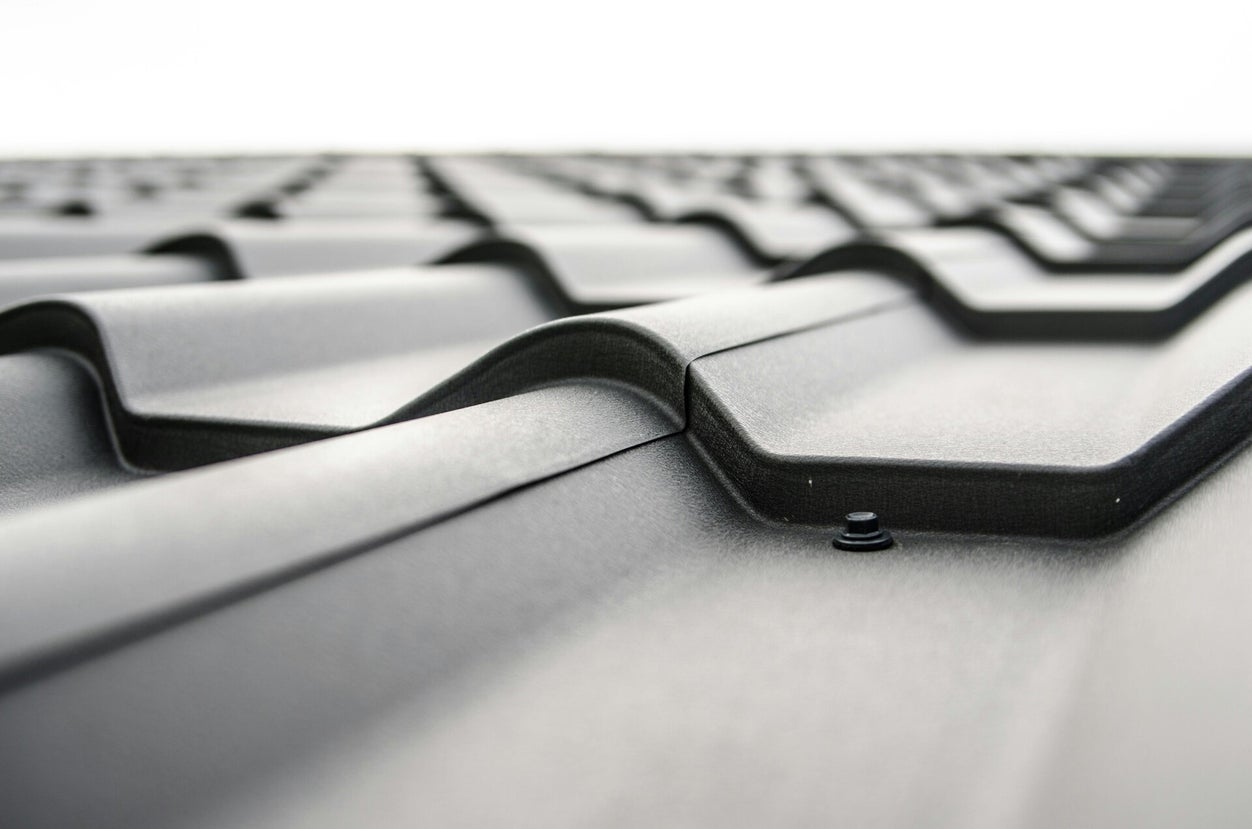
Metal roofing is increasingly popular in Virginia due to its longevity, energy efficiency, and resistance to extreme weather. It is often used on custom homes, rural properties, and modern architectural designs.
Flat Roofing (Townhomes & Low-Slope Roofs)
Flat or low-slope roofing systems are commonly used on townhomes, row homes, and certain commercial or mixed-use buildings. These roofs rely on specialized membrane systems rather than shingles.
Roofing Materials FAQ – Click to Expand
What roofing material lasts the longest in Virginia?
Longevity depends on material type, installation quality, ventilation, and maintenance. In general, metal roofing and slate-style systems tend to last longer than asphalt products, but higher lifespan does not always mean better suitability for every home.
Are architectural shingles better than standard asphalt shingles?
Architectural shingles typically offer improved wind resistance, thicker construction, and a more dimensional appearance. However, they may not be necessary for every home and should be selected based on roof design, budget, and local requirements.
Is metal roofing noisy during rain or storms?
When properly installed with solid decking and underlayment, metal roofs generally do not produce excessive noise. Perceived noise issues are often related to installation method, not the material itself.
Can I put any roofing material on a flat or low-slope roof?
No. Flat and low-slope roofs require materials specifically designed to shed water without relying on gravity alone. Shingles are typically not appropriate for flat roofs.
Do HOA rules affect which roofing materials I can use?
Many HOAs in Northern Virginia regulate roofing materials, colors, and profiles. Homeowners should always verify HOA guidelines before selecting a roofing system.
Does roofing material affect home value?
Roofing material can influence buyer perception, energy efficiency, and maintenance expectations. The impact on resale value varies by market conditions and property type.
How do I know which roofing material is right for my home?
The best material depends on your roof structure, slope, ventilation, neighborhood standards, long-term plans, and budget. A professional inspection can help determine compatible options.
Important Disclosures
This page is provided for general educational purposes only and does not constitute professional, engineering, insurance, or legal advice. Roofing materials, performance, lifespan, and suitability vary by structure, installation, code requirements, and environmental conditions. Always consult a licensed roofing contractor and verify local building codes and HOA requirements before making roofing decisions.